Working at Height: Risks, Safety Culture and New Requirements of the Industry 4.0 Era
Working at Height: Managing High-Risk Operations in the Modern Era
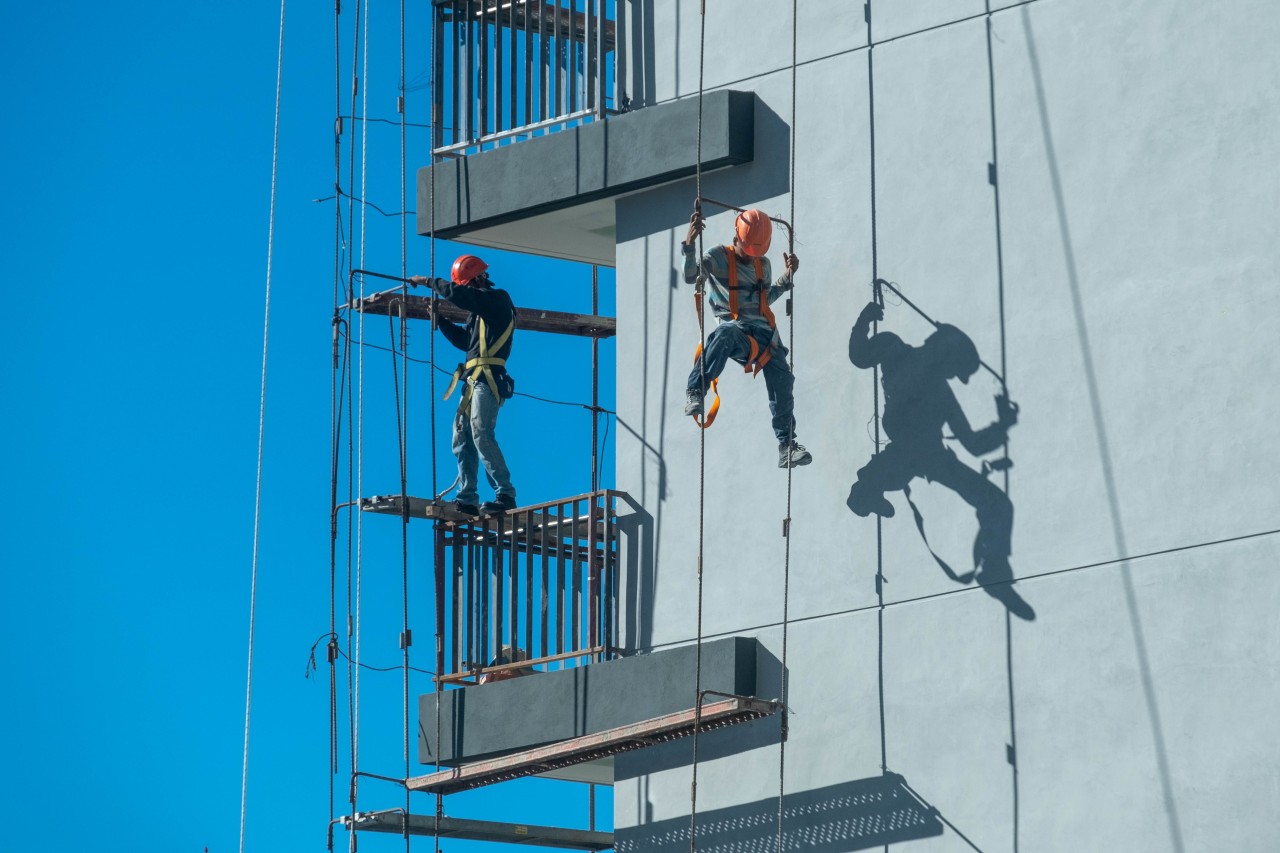
Working at height is one of the most hazardous activities in the industrial and construction sectors. Accidents in this field typically lead to severe consequences, which is why international organizations — including the International Labour Organization (ILO) — classify working at height as a “high-risk activity.”
In 2025, height safety is no longer defined solely by equipment and regulations. The Industry 4.0 era has reshaped this field based on three core pillars: human behavior, smart technologies and process culture.
Together, these elements make work at height safer and more controllable.
1. Human Factor and Behavioral Safety
The greatest risk in working at height often arises not from equipment, but from human behavior. Even experienced workers may make critical mistakes — rushing, distraction, overconfidence and normalization of risk significantly increase the likelihood of incidents.
Behavior-Based Safety (BBS) addresses exactly this issue. Under this model, a worker not only knows the rule — they understand the root cause of the risk and develop responsible behavior.
Key behavior-related hazards include:
-
weakened balance mechanism;
-
psychological stress at height;
-
tendency to panic;
-
fatigue and loss of focus;
-
rules turning into routine behavior.
Real safety begins with managing these behaviors.
2. Technology and Intelligent Protective Systems
In the past, height safety relied mainly on traditional equipment — harnesses, ropes and karabiners. In the Industry 4.0 era, this equipment has become “smart,” meaning it not only reduces risks but predicts them in advance.
Modern technologies include:
-
harnesses with integrated sensors;
-
devices that measure rope tension;
-
self-locking hooks;
-
coded tracking systems that record equipment history;
-
portable devices that warn of wind speed and direction changes;
-
drone-assisted visual inspections at height.
These technologies minimize human error and enable rapid response to environmental changes.
3. Process Culture and Rescue Planning
The third and most critical pillar of height safety is process management. This is not merely a permit procedure — it is a safety culture applied from the beginning to the end of the work.
This includes:
Risk assessment
Before each task, potential hazards are identified — surface conditions, weather changes, structural stability and the worker’s physical/psychological state.
Permit to Work system
Work at height can be carried out only after official authorization, which is issued once equipment checks and risk assessments are completed.
Continuous monitoring
Conditions may change during work: increasing wind, platform movement or surface becoming slippery. Therefore, monitoring is continuous, not one-time.
Rescue plan
A suspended worker faces severe health risks within 5–7 minutes. Therefore, every height-related task must include a pre-established rescue plan and a rapid response team (3-minute intervention capability).
The Hidden Risks of Working at Height
The danger is not only the risk of falling. Many risks are not visible:
-
micro-damage inside the rope;
-
mechanical jamming of a karabiner;
-
reduced visibility due to sunlight glare;
-
improper body positioning;
-
softened or slippery surfaces after rain;
-
slight platform vibration.
Thus, a height worker must think not as an operator, but as a risk analyst.
Conclusion
Working at height is not a simple physical task — it is a comprehensive safety system combining mindset, behavior and technology in a high-risk environment.
In the Industry 4.0 era, safety relies on:
-
human behavior,
-
smart equipment,
-
process culture.
Applying these three pillars together minimizes accident probability and ensures safe and efficient height operations.