


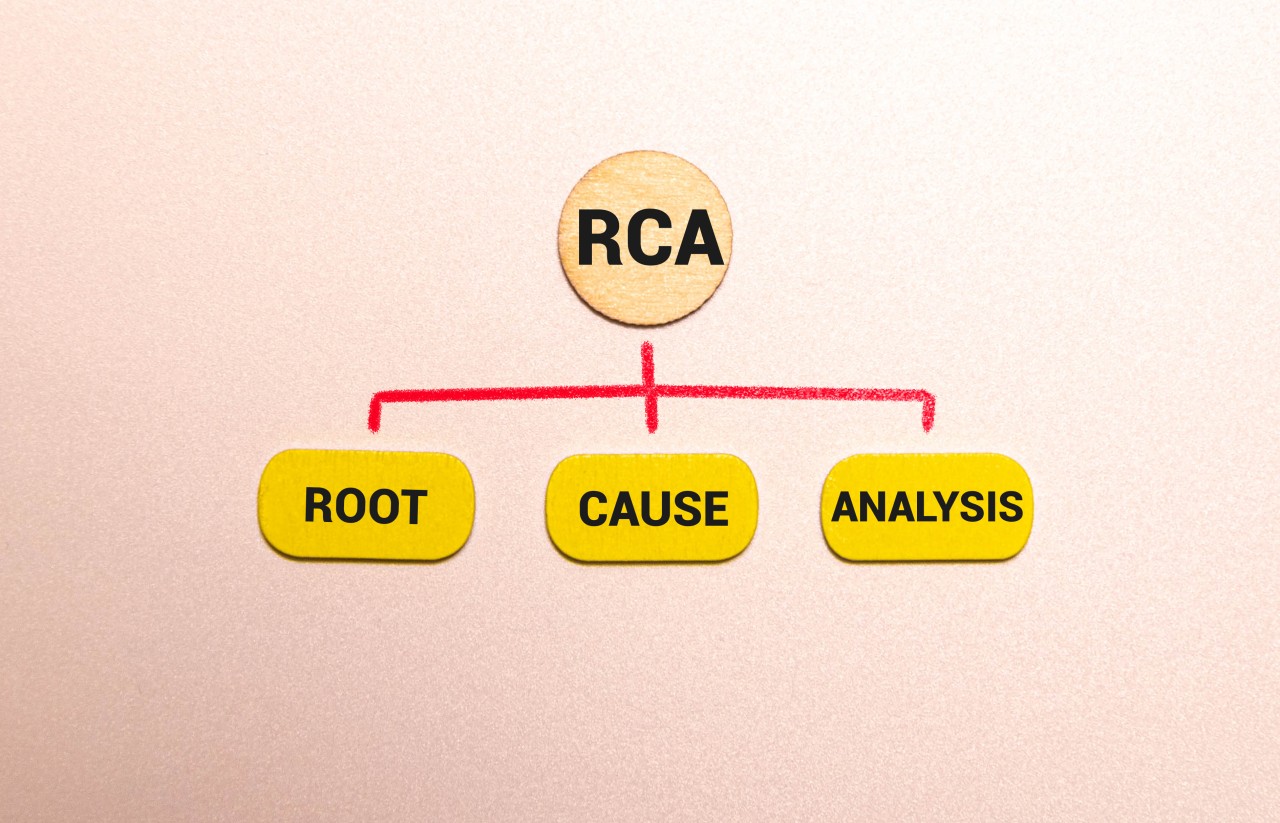
Root Cause Analysis (RCA) Training
The Root Cause Analysis training course is designed to teach the core principles of incident and accident investigation. This practically oriented course guides participants step-by-step through the entire investigation process, from initial scene management and evidence gathering to the submission of the final report.
General Information:
-
Duration: 1 and 3 Days
-
Certificate Validity: 2 Years
-
Group Size: 6–10 participants (to ensure personalized instruction)
-
Languages: Azerbaijani / Russian / English
-
Prerequisites: None (N/A)
Certification and Accreditation:
Participants who successfully complete the training course and the assessment phase are awarded an official certificate.
-
Certificate Format: This certificate is issued within the framework of a joint cooperation between the Scientific-Research Institute of the State Agency for Safe Working in Industry and Mountain-Mining Control of the Ministry of Emergency Situations (MES) of the Republic of Azerbaijan and the Industrial Support and Training Services (IST) Additional Education Center. The document fully complies with both local regulatory requirements and international standards.
Objectives and Methodology:
The course comprises theoretical lectures, group discussions, and practical exercises designed to reinforce the acquired knowledge. Special emphasis is placed on identifying and avoiding common pitfalls and errors during data processing and record-keeping.
Course Syllabus:
-
Legal Obligations: Regulatory responsibilities applied to incident and accident investigations.
-
Root Cause Analysis: Methods for identifying the underlying causes that led to the incident.
-
Safety Management Failures: Identifying systemic gaps and deficiencies within the organization.
-
Investigation Skills: Essential competencies required to conduct an effective accident investigation.
-
Evidence Gathering: Methods for collecting physical, documentary, and statistical evidence.
-
Interviewing Techniques: Professional techniques for interviewing witnesses and affected personnel.
-
Preventive Actions: Formulating corrective and preventive measures to avoid recurrence.
-
Auditing and Inspection: Mechanisms for monitoring and reviewing safety management systems.
Assessment (Examination):
Participants must achieve a minimum score of 80% on both the written (multiple-choice) and practical exams at the end of the course to qualify for certification.