




Safety Helmets (Hard Hats) | Personal Protective Equipment
Safety Helmets (Hard Hats) | Personal Protective Equipment
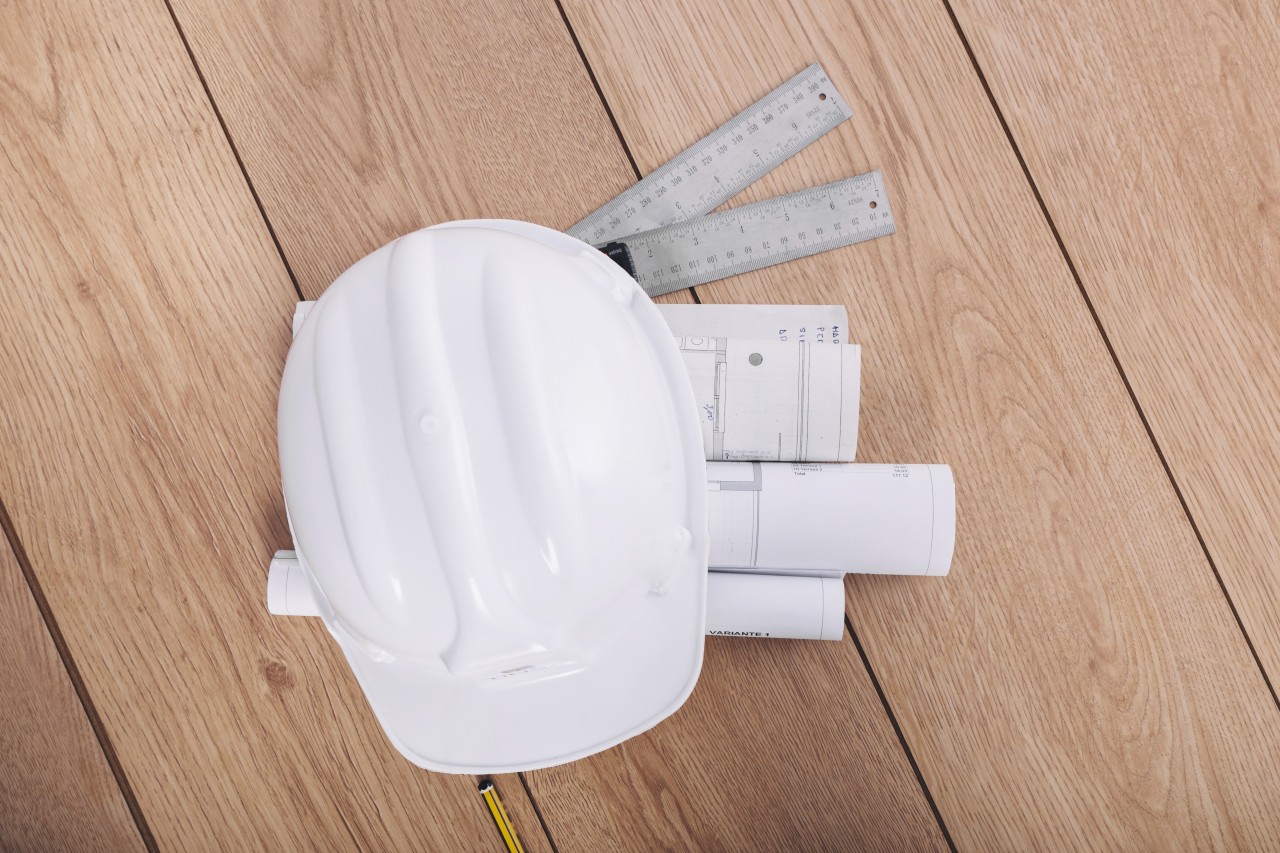
Safety helmets, commonly known as hard hats, are essential personal protective equipment (PPE) used in workplaces to protect the head from mechanical impacts, falling objects, and other hazardous influences.
A significant proportion of accidents occurring in construction, industrial, manufacturing, and work-at-height environments are directly related to the absence of safety helmets or their incorrect selection. For this reason, modern safety approaches consider safety helmets not as a recommendation, but as a mandatory protective element.
What is a safety helmet (hard hat) and why is it important?
A safety helmet is designed not only to protect the head from direct impact, but also to absorb impact energy and reduce the force transmitted to the skull and brain through specially engineered materials.
According to international safety organizations, a properly selected hard hat:
-
reduces the risk of fatal and severe injuries
-
minimizes the impact force during an accident
-
increases the worker’s sense of safety
-
reduces legal risks for organizations
Main risks protected by safety helmets
Workplace hazards vary, and safety helmets provide direct protection against a number of critical risks.
Main risk categories
-
falling tools and materials from elevated levels
-
detachment of metal and concrete structures
-
head impacts in confined spaces
-
mechanical impacts
-
workplaces with electrical hazards
These risks are especially common on construction sites, industrial facilities, warehouses, energy sector operations, and work-at-height activities.
Main types of safety helmets (hard hats)
Although all hard hats serve a protective purpose, functional differences exist depending on the work environment.
General-purpose safety helmets
Widely used in construction and industrial environments. They provide basic protection against falling objects and mechanical impacts.
Electrically insulated safety helmets
Designed for environments with electrical hazards. Commonly used in energy and technical maintenance sectors.
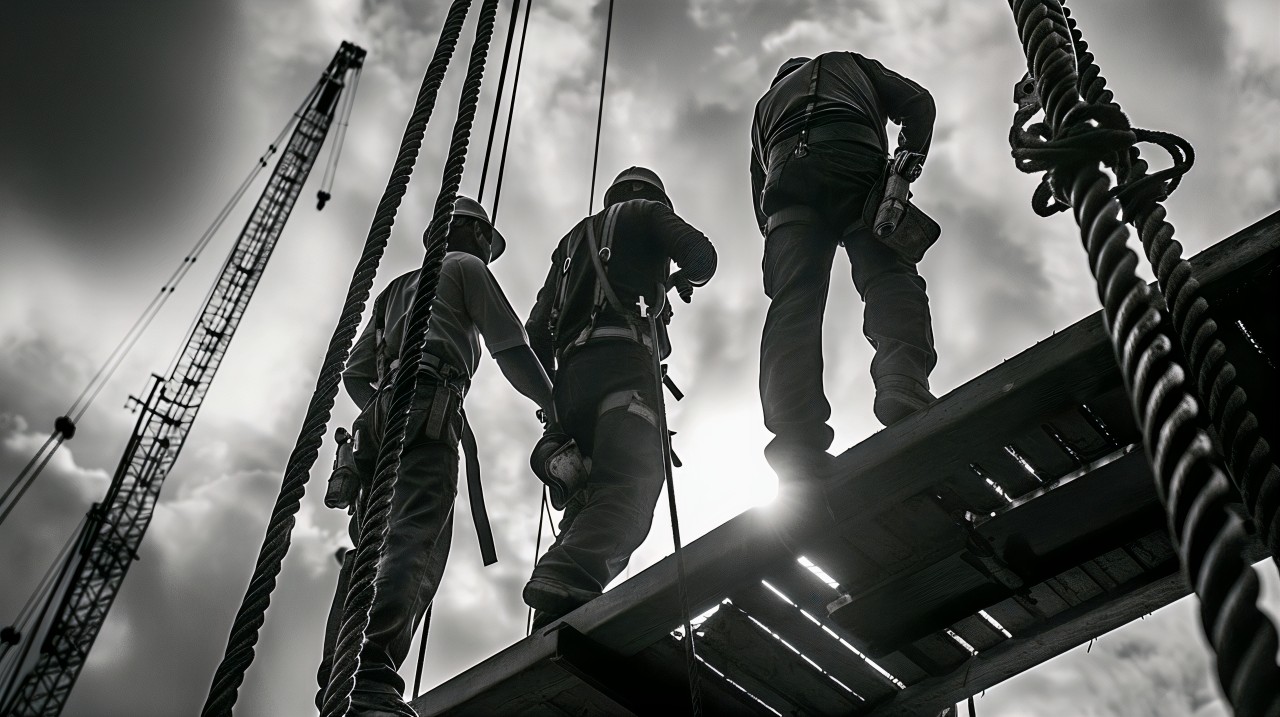
Safety helmets for work at height
Equipped with chin straps to prevent displacement or loss. Particularly important for inclined surfaces and elevated work areas.
What should be considered when selecting a safety helmet?
The effectiveness of a safety helmet depends not only on its presence, but on proper selection and correct use.
Practical selection criteria
-
actual workplace risks
-
impact absorption capability of the helmet
-
correct fit and wearing comfort
-
ventilation features
-
compatibility with other PPE (face shields, hearing protection, etc.)
An uncomfortable or unstable helmet is less likely to be used correctly and does not provide real protection.
Most common mistakes related to safety helmets
Many workplace accidents result not from the absence of rules, but from incorrect application of safety requirements.
Most frequent mistakes
-
use of cracked or worn helmets
-
improper adjustment of suspension systems
-
failure to use chin straps during work at height
-
not replacing helmets after their service life has expired
In such cases, the helmet provides only visual protection rather than real safety.
What does standards-compliant safety helmet mean?
Professional safety helmets must comply with international safety standards. These standards confirm that the product has been tested under real working conditions.
Key international standards
-
EN 397 – industrial safety helmets
-
EN 50365 – electrically insulated helmets
-
CE conformity marking
-
ILO and OSHA guidelines
Helmets that do not comply with standards pose serious safety risks.
Safety helmets as an integral part of the PPE system
A safety helmet alone is not sufficient. It must be used in combination with other personal protective equipment, including:
-
eye and face protection
-
respiratory protection
-
hearing protection
-
fall protection systems for work at height
This approach integrates the helmet into a comprehensive safety system.
Conclusion
Safety helmets (hard hats) are among the most critical personal protective equipment for protecting the head in the workplace. Properly selected, standards-compliant, and correctly used helmets significantly reduce the risk of severe injury and fatal accidents.
This is not merely compliance with regulations — it is about protecting human life.
Professional safety helmets and PPE solutions
For professional support in selecting and supplying safety helmets (hard hats), you can explore the Personal Protective Equipment and helmet solutions provided by IST.