





Who is an HSE Specialist and What Do They Do?
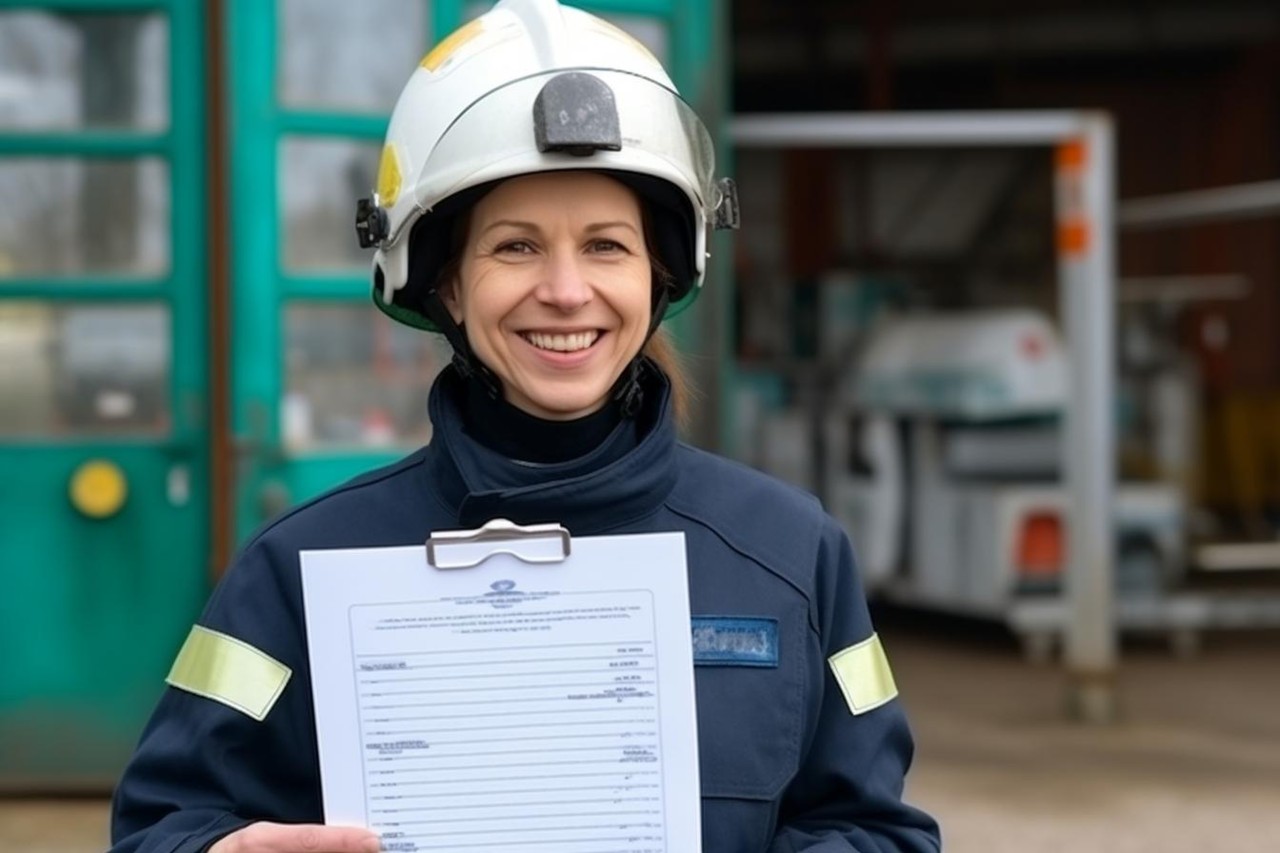
An HSE Specialist is a professional specializing in Health, Safety, and Environment. In international corporate terminology, this role is also widely known as an HSE Officer, HSE Coordinator, or EHS Specialist.
This professional identifies risks within the enterprise, establishes systems to prevent accidents, provides safety training to employees, prepares documentation for government inspections, and conducts root-cause analyses for every incident. Simply put, they are the driving force behind a company's physical safety and legal compliance.
The scope of the role heavily depends on the industry. In the construction and oil & gas sectors, an HSE specialist makes critical life-or-death safety decisions. In office environments, the focus shifts more toward documentation, ergonomics, and regulatory compliance. However, the foundational knowledge required for the profession remains identical across all sectors.
Is There a Demand for HSE Specialists in Azerbaijan?
Yes — and this demand is structural, not temporary.
Legislative Requirements
Article 212 of the Labor Code of the Republic of Azerbaijan mandates the establishment of an occupational health and safety service in enterprises exceeding a specific size. This means that, regardless of a company's preference, a dedicated HSE function must exist within its organizational structure. This regulatory requirement inherently creates hundreds of new jobs annually.
International Projects
International oil and gas companies, major construction contractors, and logistics firms operating in Azerbaijan are obligated to implement their global HSE standards locally. Consequently, these companies actively seek certified HSE professionals with practical field experience — a profile that remains highly sought-after and rel
Public Sector
Ministries overseeing energy, construction, and transport actively recruit qualified personnel to ensure state-funded enterprises comply with labor protection regulations. While competition in this segment is lower than in the private sector, certification requirements remain strictly enforced.
What Does It Take to Become an HSE Specialist?
Educational Background
There are multiple pathways into the HSE profession. Backgrounds in engineering, medicine, chemistry, and environmental sciences frequently serve as stepping stones into an HSE career. As specialized higher education degree programs in this field are still emerging in Azerbaijan, transitions into the profession are predominantly achieved through professional certificate courses.
While an educational background is valuable, it is rarely sufficient on its own. Employers actively look for recognized certifications alongside academic degrees, and often prefer candidates who hold a certificate coupled with robust, hands-on field experience.
Certifications: Which Ones, Why, and In What Order?
Entry Level
Acquiring a general OHS (Occupational Health and Safety) certificate is the foundational step. This certification covers the basics of risk assessment, the correct selection of Personal Protective Equipment (PPE), incident investigation methodologies, fire safety, and the practical application of labor legislation. Certificates issued by institutions licensed by the Ministry of Science and Education of Azerbaijan are widely recognized by local employers.
Intermediate Level
Once working in the field, specialization becomes crucial. If targeting the construction sector, modules on working at heights, confined space entry, and lifting operations are essential. For the oil and gas sector, training must focus on compliance with IOGP standards, Permit-to-Work (PTW) systems, and advanced incident investigation methodologies.
International Certifications
To align your career with international companies, the IOSH Managing Safely certification is the most accessible and recognized starting point globally. Acknowledged in over 80 countries, it has become the benchmark requirement for mid-level HSE roles. For senior management and high-stakes projects (especially in oil and gas), a NEBOSH qualification is considered an absolute prerequisite.
Field Experience:
The Most Overlooked Requirement
Earning a certificate is one achievement; applying that knowledge in a live industrial environment is another. Employers are acutely aware of this. For those at the beginning of their careers, the most practical approach is to secure a role as an HSE assistant, coordinator, or intern either alongside or immediately after completing a certification course. Even initial practical experience in an informal setting significantly elevates the quality of a CV.
The Career Ladder for HSE Specialists in Azerbaijan
The typical progression path within the profession is structured as follows:
-
HSE Coordinator / Assistant (0-1 Year): Focuses on drafting procedures, maintaining documentation, conducting inductions, and logging incidents. Works under the direct supervision of a senior specialist.
-
HSE Specialist (2-4 Years): Conducts independent risk assessments, performs site inspections, liaises with state inspectors, and drafts corporate HSE reports.
-
HSE Manager / Supervisor (5+ Years): Manages the HSE team, develops enterprise-wide safety strategies, and reports directly to executive leadership.
-
Chief HSE Officer / HSE Director: The highest executive tier, typically found within large corporations and international enterprises.
Which Sectors Have the Highest Demand for HSE Specialists?
Given the dynamics of the Azerbaijani market, demand is categorized as follows:
-
Oil and Gas Sector: Highest demand, strictest certification requirements, and top-tier salaries. Without IOSH or NEBOSH, entry into this sector is practically impossible.
-
Construction: Driven by large-scale infrastructure projects, residential complexes, and commercial centers in Baku. This is the most dynamic sector consistently requiring hands-on HSE specialists.
-
Manufacturing and Logistics: Warehouses, distribution hubs, and factories. A rapidly expanding sector currently facing a shortage of qualified HSE personnel.
-
Public Enterprises: Energy, water, and transport infrastructure. Lower competition, though salary ranges typically lag behind the private sector.
-
Service Sector: Large hotels, hospitals, and shopping malls. Historically, HSE requirements in this sector were overlooked, but enforcement has become notably stricter in recent years.
HSE Training Programs at IST
IST provides fully accredited training programs tailored to every stage of an HSE career. From foundational general HSE courses to the globally recognized IOSH Managing Safely program, our curriculum is heavily focused on developing real-world practical skills.
Explore our HSE Training Catalog or contact us directly to discuss which program best aligns with your career objectives.