





Work Safety at Height - Regulations, Risks and MES Requirements
Working at Height Safety – Rules, Risks and Requirements of the Ministry of Emergency Situations (MES)
What Is Working at Height?
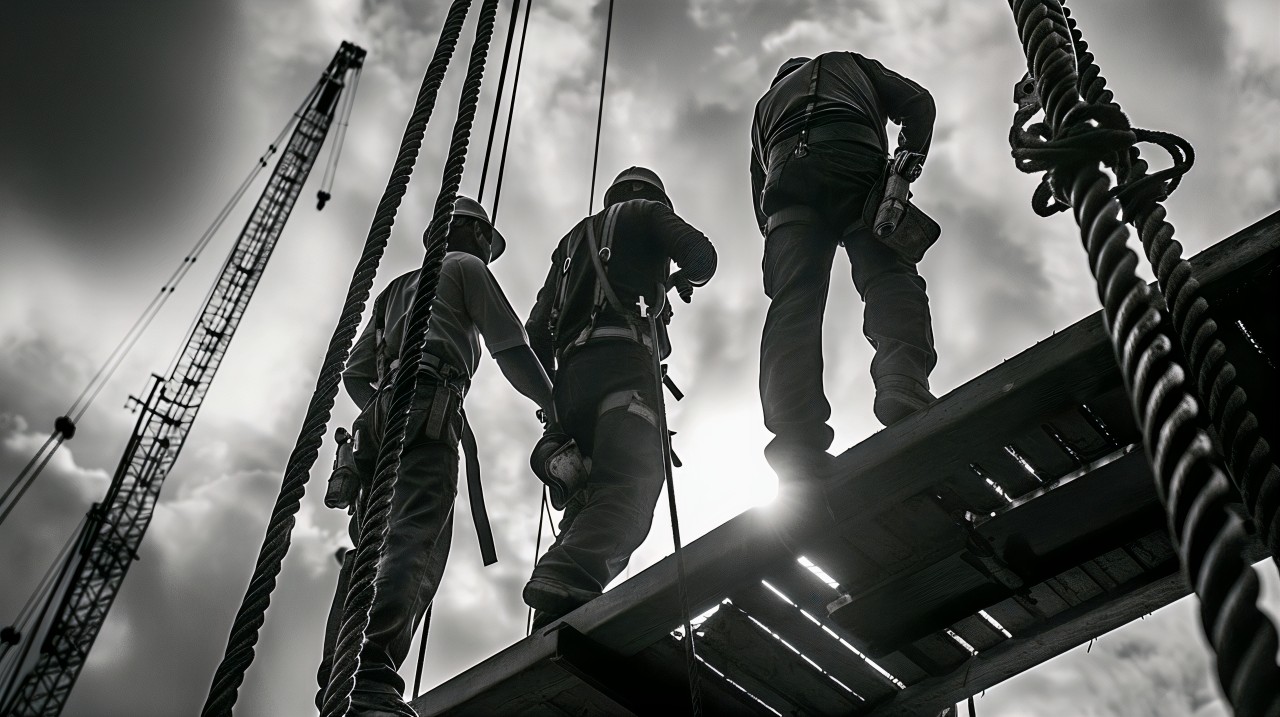
Working at height is any activity performed at a level where there is a risk of falling from one level to another. This includes:
-
1.3 meters and above
-
Ladders, scaffolds, platforms
-
Roofs, balconies, open edges
-
Metal structures, towers, antennas
-
Lifting platforms
-
Elevator shafts and towers
According to OSHA, working at height accounts for 43% of fatal incidents in industry, which makes compliance with safety rules critical.
Safety Assessment Before Starting Work
1. Workplace Safety Evaluation
Before starting work, the following 12 safety criteria must be checked:
-
Stability of the surface and supports
-
Risk of slipping or structural detachment
-
Wind speed (≥10 m/s — work must stop)
-
Rain, snow, fog
-
Lighting level for night work
-
Distance from power lines
-
Edge protection
-
Platform load limits
-
Equipment malfunction
-
Risk of falling tools/materials
-
Worker’s physical condition
-
Presence of moving machinery nearby
2. Risk Matrix (Aligned with MES and ISO 45001)
1) Fall risk (primary risk group)
-
Probability: High
-
Consequence: Severe (fatality or serious injury)
-
Risk level: Red – Unacceptable
-
Action: Work stops; supports and barriers inspected per MES Articles 2.6, 2.7, 2.13.
2) Equipment or structural failure
-
Probability: Medium
-
Consequence: Severe
-
Risk level: Orange – High risk
-
Action: Faulty equipment removed; used only with a technical approval.
3) Weather risks (wind ≥10 m/s, ice, rain)
-
Probability: Medium/High
-
Consequence: Severe
-
Risk level: Red
-
Action: Work prohibited until weather stabilizes.
4) Balance loss or slipping
-
Probability: Low
-
Consequence: Medium
-
Risk level: Yellow
-
Action: Check PPE; ensure clean working area.
5) Falling tools or materials
-
Probability: Medium
-
Consequence: Severe
-
Risk level: Orange
-
Action: Establish 1.5–3 m exclusion zone; use tool bags.
Permit to Work System
Working at height is carried out only under official authorization. The permit must include:
-
Work location and height level
-
Description of the task
-
Full PPE set
-
Confirmation of anchor points
-
Safety measures
-
Rescue plan
-
Signatures of responsible persons
PPE Requirements for Working at Height
Full Body Harness (EN 361)
-
5-point attachment
-
Any tears make it unusable
-
Energy absorber must be close to the body
Energy Absorber (EN 355)
-
Single-use
-
Must reduce dynamic load above 6 kN
Karabiner (EN 362)
-
Auto-lock system
-
Minimum 20 kN strength
Static Rope (EN 1891)
-
Diameter 10.5–11 mm
-
Replace if cut, burnt or twisted
Anchor Points (EN 795)
-
Minimum 15 kN strength
-
Cannot be attached to removable structures
Scaffold, Platform and Ladder Standards
Scaffolding
-
Only certified personnel may install
-
No “green tag” — no use
-
Inspected every 7 days
-
Guardrails required above 2 m
Ladders
-
4:1 angle rule
-
Cannot stand on top two steps
-
Not allowed in wind or rain
-
Designed for one person only
Stop Work Criteria
Work stops immediately if:
-
Wind exceeds 10–12 m/s
-
Platform shows cracks, noise, or sway
-
PPE is incomplete or damaged
-
Worker feels unwell
-
Anchor point is questionable
-
There is a falling object risk
-
Power lines are within unsafe distance
Emergency and Rescue Procedures
-
Suspended worker must be rescued within 3–5 minutes
-
Rescue kit must be ready
-
Evacuation route pre-planned
-
Team roles pre-defined
-
First aid procedures applied
-
Communication channels confirmed
For more detailed information about the professional organization of working at height, please visit IST’s official “Working at Height Training” page.