




What is Personal Protective Equipment (PPE) and why is it important?
Personal Protective Equipment (PPE): What Is It and Why Does It Form the Foundation of a Safe Working Environment?
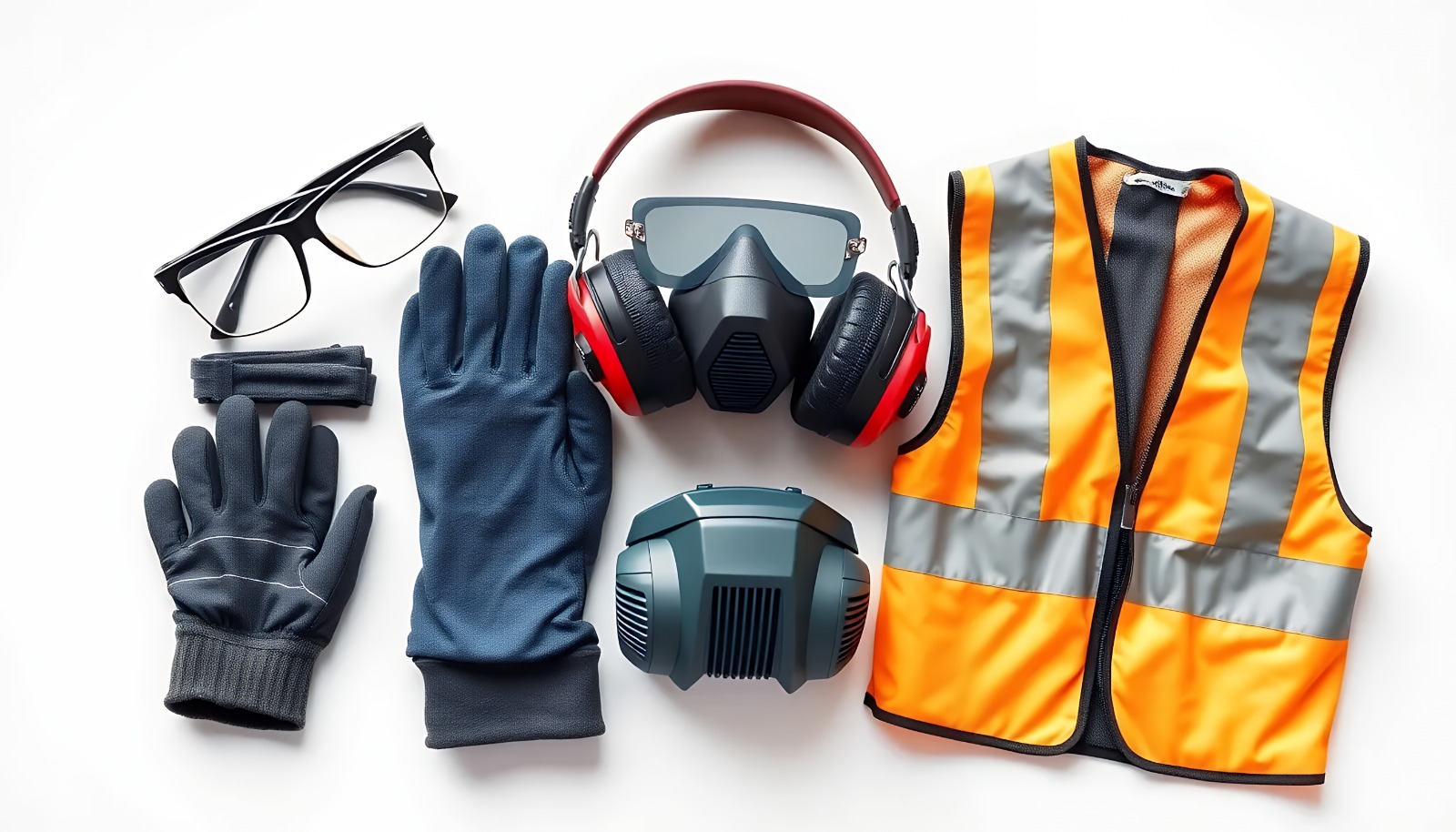
Personal Protective Equipment (PPE) refers to protective equipment used during work activities to safeguard workers’ health and lives. PPE represents the final line of defense that minimizes the direct impact of workplace hazards on the individual.
In modern industrial and construction environments, PPE is no longer viewed as “additional equipment” but is recognized as an integral part of safety culture. Statistics show that a significant proportion of workplace accidents result either from the absence of PPE or from incorrect selection and improper use.
Why Is Personal Protective Equipment So Important?
The primary purpose of PPE is not only to prevent accidents but also to reduce the severity of their consequences when they occur. According to international occupational safety approaches, PPE:
-
directly protects workers’ lives
-
reduces the risk of serious injuries
-
minimizes legal liability for organizations
-
helps prevent production downtime
-
contributes to the development of a strong safety culture
Properly selected and standards-compliant PPE can significantly reduce the severity of workplace accidents.
What Risks Does PPE Protect Against?
Workplace hazards vary, and appropriate PPE must be selected for each type of risk.
Main Risk Categories
-
mechanical hazards (impact, cuts, crushing)
-
fall-from-height risks
-
dust, gases, and harmful particles
-
chemical substances
-
extreme temperatures
-
noise and vibration
-
electrical hazards
The effectiveness of PPE depends on its proper selection and correct application in relation to these risks.
Main Types of Personal Protective Equipment
PPE is categorized into several main groups based on the body part it protects.
Head Protection
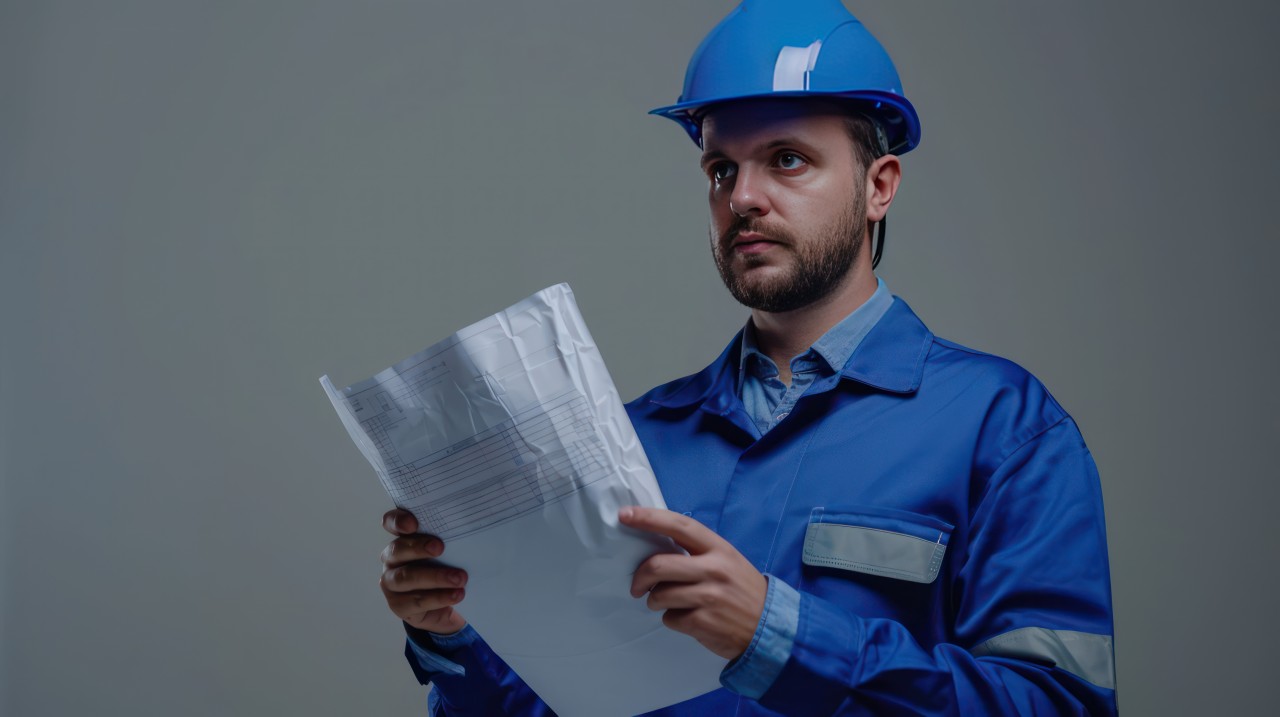
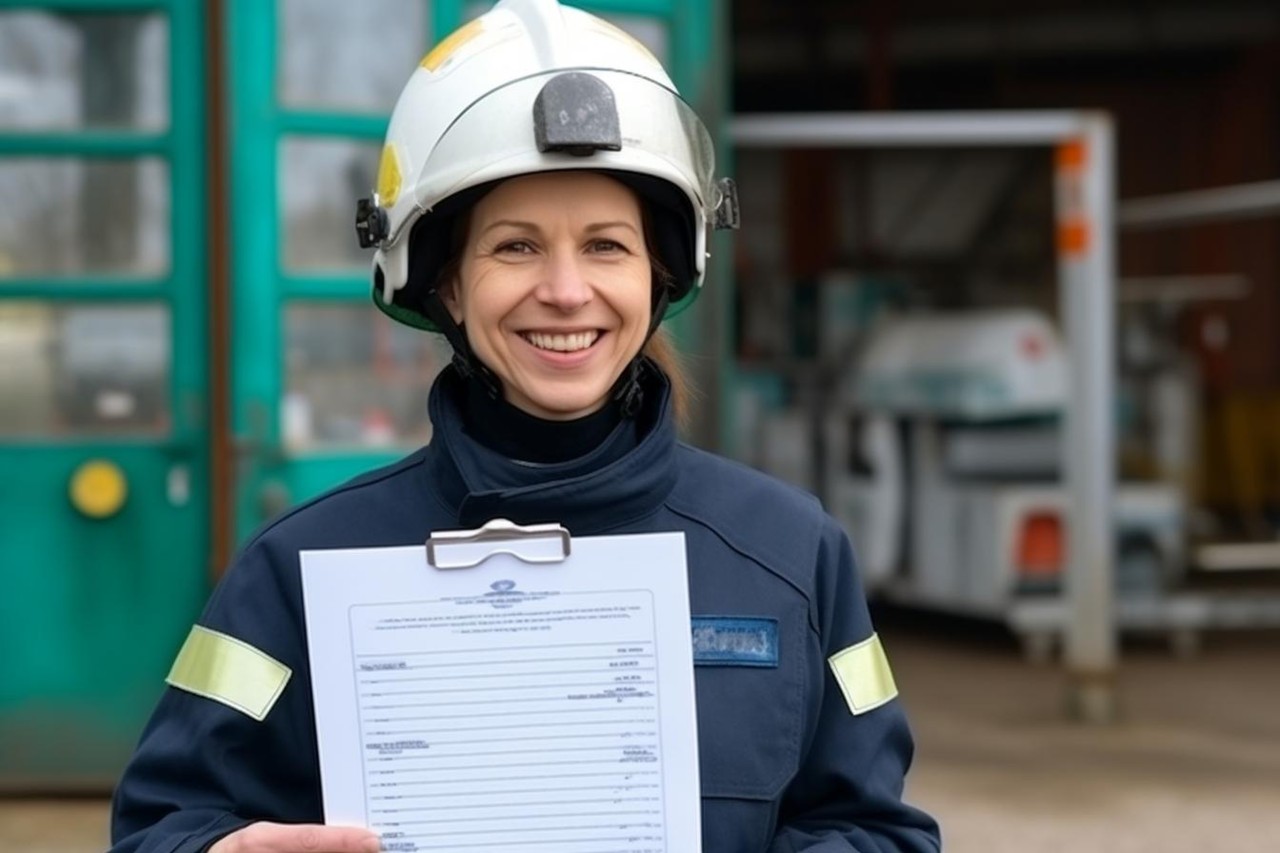
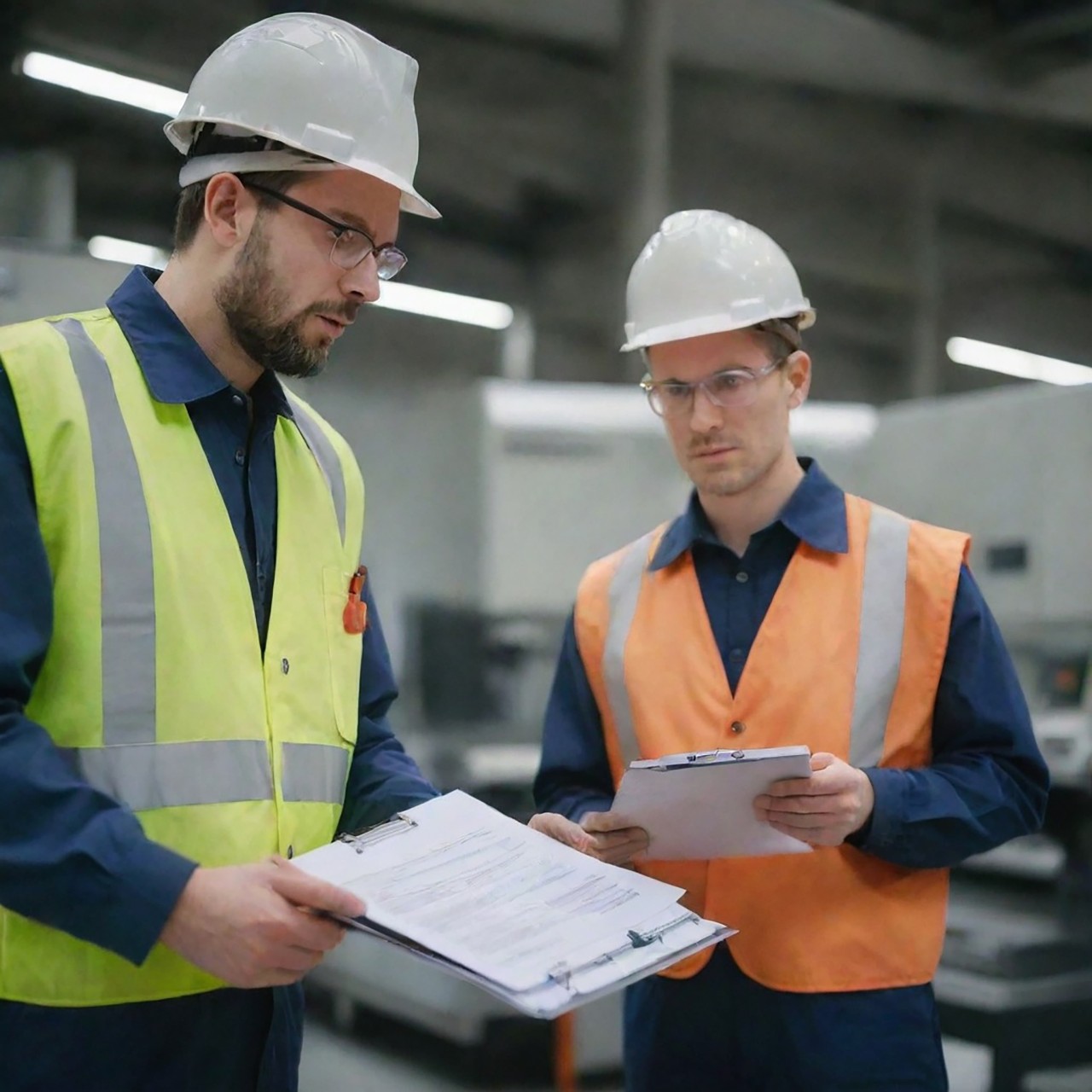
Safety helmets and hard hats protect the head from falling objects, impacts, and mechanical hazards. Their use is mandatory in construction, industrial, and manufacturing environments.
Eye and Face Protection
Safety glasses and face shields prevent damage to the eyes and face caused by dust, sparks, chemical splashes, and mechanical particles.
Respiratory Protection
Respirators and masks are used to prevent inhalation of harmful gases, vapors, and dust particles.
Hand Protection
Protective gloves provide protection against cuts, burns, chemical exposure, and vibration.
Foot Protection
Safety footwear reduces the risk of injuries from falling objects, slipping, and punctures while ensuring foot stability.
PPE for Working at Height
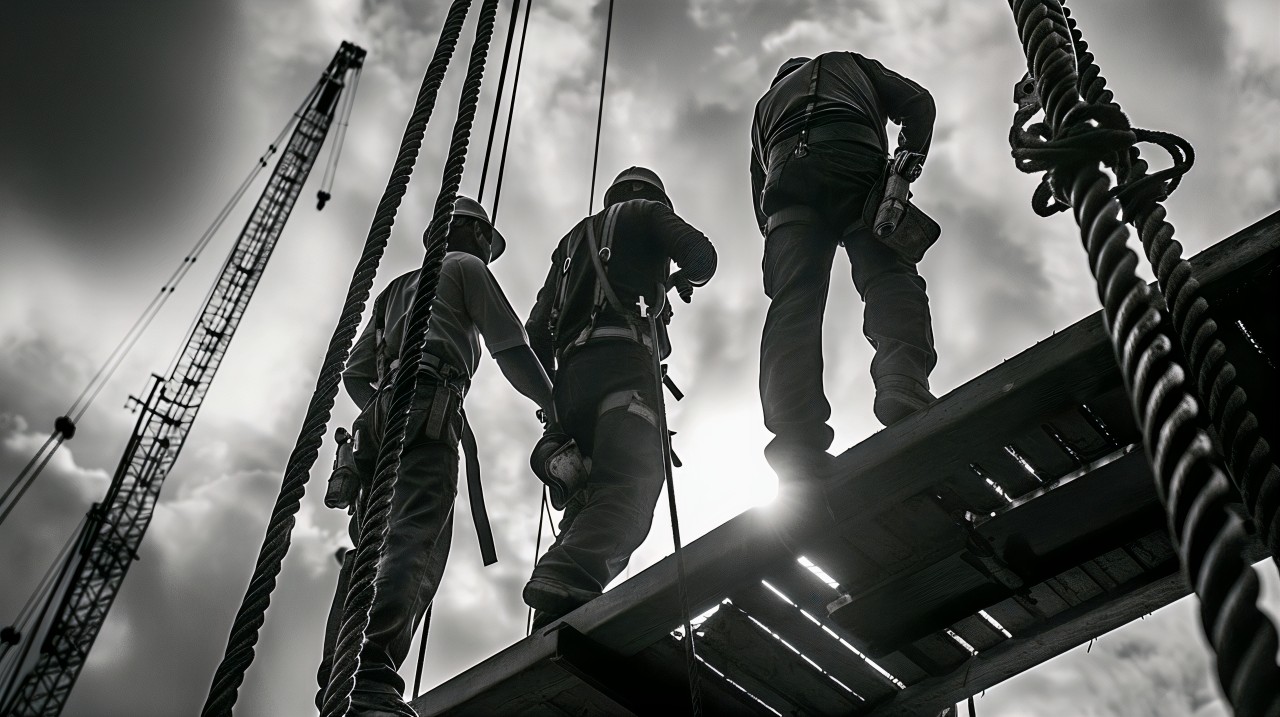
Safety harnesses, ropes, carabiners, and anchorage systems constitute a specialized group of PPE designed to protect against fall hazards.
Most Common Mistakes When Selecting PPE
The main reason PPE fails to provide adequate protection is incorrect selection and improper use.
Most Frequent Mistakes
-
choosing PPE that does not match job conditions
-
ignoring size and comfort factors
-
using non-certified and non-compliant equipment
-
lack of regular inspection and maintenance
-
insufficient training on proper use
These mistakes turn PPE into a formality and prevent it from providing real protection.
What Does Standards-Compliant PPE Mean?
Professional PPE must comply with international and regional standards.
Most Common Standards
-
EN (European standards)
-
ISO international safety standards
-
CE conformity marking
-
ILO and OSHA guidelines
Standards-compliant PPE has been tested under real working conditions and is considered reliable in terms of safety.
PPE Is Not a Product — It Is a Safety System
According to modern safety concepts, PPE is not merely protective equipment but part of an integrated safety system.
An Effective PPE System Includes
-
accurate risk assessment
-
proper PPE selection
-
worker training
-
regular technical inspections
-
timely replacement of worn-out equipment
This approach transforms PPE into a truly effective safety solution.
Conclusion
Personal Protective Equipment is one of the fundamental pillars of a safe working environment. While PPE may not always prevent accidents, it remains the most critical mechanism for protecting human life.
Properly selected, standards-compliant, and professionally implemented PPE:
-
protects worker health
-
reduces organizational risks
-
ensures continuity of operations